đŸŒ± A Holistic Invitation for Mental Health Awareness Week

Oct 2025

Mental Health Awareness Week is a time to pause, reflect, and reconnect — with ourselves, our purpose, and the world around us. In Aotearoa, wellbeing is beautifully represented through Te Whare Tapa Whā, a model developed by Sir Mason Durie that reminds us that true health is more than just the absence of illness. It’s about balance — nurturing the physical, mental, social, and spiritual/identity dimensions of life.

At the same time, the Japanese concept of Ikigai — often translated as “reason for being” — offers a complementary lens. It encourages us to explore what brings us joy, what we are good at, what the world needs, and what we can be rewarded for. Together, Te Whare Tapa Whā and Ikigai invite us to create a more holistic, meaningful approach to wellbeing.

Taha Tinana – Physical Wellbeing

Our physical health forms one of the core walls of our wellbeing “house.” When we move, breathe deeply, eat nourishing food, and rest well, we strengthen every other aspect of our lives. This week, make time to stretch, take a walk outdoors, or simply tune in to how your body feels. Small, consistent actions can have a powerful impact on both body and mind.

Taha Hinengaro – Mental and Emotional Wellbeing

Mental health is about more than positive thinking — it’s about acknowledging and understanding our emotions. Allow yourself the space to feel, express, and rest. Practices like journaling, therapy, or mindfulness can help process experiences and build resilience. Remember, emotional strength grows when we treat ourselves with compassion and patience.

Taha Whānau – Social Wellbeing

Human connection is essential. Our relationships with whānau, friends, and community give us a sense of belonging and purpose. Sharing a meal, a kƍrero, or a laugh helps us feel grounded and supported. This Mental Health Awareness Week, reach out to someone — connection doesn’t have to be complicated to be meaningful.

Taha Wairua – Spiritual/Identity Wellbeing

This aspect is about inner purpose and connection — to values, beliefs, culture, or something greater than ourselves. For some, this might be faith; for others, time in nature or acts of kindness. Nurturing your spiritual side helps bring balance and clarity to the rest of your life.

Finding Your Ikigai

The concept of Ikigai ties beautifully into Te Whare Tapa Whā. It asks us to reflect on four key questions:

  • What do I love?

  • What am I good at?

  • What does the world need?

  • What can I be rewarded for?

When these areas overlap, we find purpose — the fuel that gives our daily life meaning.


When our four walls are strong and we live in alignment with our Ikigai, we build a foundation of resilience, balance, and fulfilment. This Mental Health Awareness Week, take a moment to reflect on what keeps your whare strong — and what gives your life purpose. Sometimes, the smallest actions lead to the biggest shifts.
Cancer Rehab Classes - NEXT STEPS

Did you know as part of our Cancer Rehabilitation services, we offer Next Steps?

NEXT STEPS is a group exercise program for men and women who have finished their main cancer treatment and want to take the next steps on their road to recovery.

The Program combines the best pilates, yoga and cardiovascular exercises for a workout that is specifically designed to help rebuild strength, flexibility and stamina.

The Program runs for one hour per week for ten weeks and is specifically designed to help people affected by cancer. It is suitable after any type of cancer surgery or treatment and accommodates all ages, fitness levels and mobility. Weekly take-home resources and exercise handouts are included. 

What the programme will do for you?

  • Improved strength and mobility
  • Increase energy levels
  • Strengthen core muscles and improve posture
  • Reclaim body confidence and control
  • Reduce treatment related side effects
  • Improve stamina and fitness
  • Improve breathing and reduce stress
  • Help you integrate regular exercise into your life
  • Allow you to laugh, relax and have fun
  • Connect with other people on a similar journey to you

In South Canterbury,

Continue Reading

Complex Knee Injuries - A new way forwards with ACC

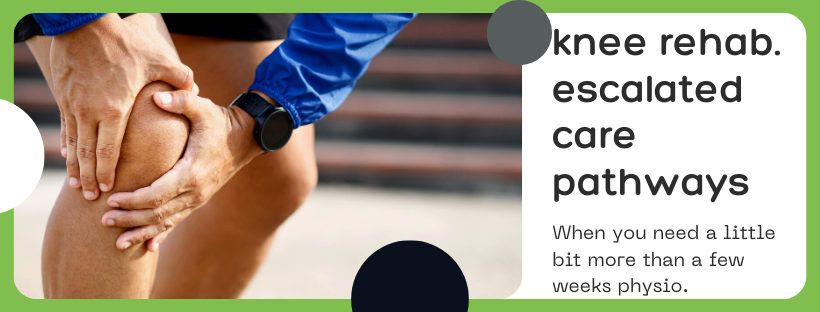
Over the last few years MyPhysio has been partnered with initially Motus and now RESS to provide a pilot service for ACC, and now an embedded service which is soon to be a more common practice for ACC and will be called Integrated Care Pathways. This will not be just for knees but we have been working on the knee contract.

Knee injuries and conditions are prevalent and can significantly impact an individual's mobility, independence, and overall quality of life. By delving into the intricacies of the RESS model, this blog aims to shed light on a highly effective and patient-centered approach to knee rehab, rooted in the ACC's funded Integrated Care Pathway model. 

Initial Assessment. The importance of a thorough initial assessment in knee rehabilitation cannot be overstated. Our physios meticulously gather comprehensive information about the patient's knee injury or condition, medical history, lifestyle, and overall health status. By doing so, they can gain a deeper understanding of the patient's specific needs and challenges, enabling them to tailor the rehabilitation process to address individual concerns and optimize outcomes.

This holistic assessment approach takes into account the patient's overall health and lifestyle factors that may influence recovery, such as age, fitness level, previous injuries, and personal goals. Understanding these factors helps in setting realistic expectations and crafting a customized treatment plan that considers the patient's limitations and potential.

Continue Reading

Musculoskeletal Physiotherapy

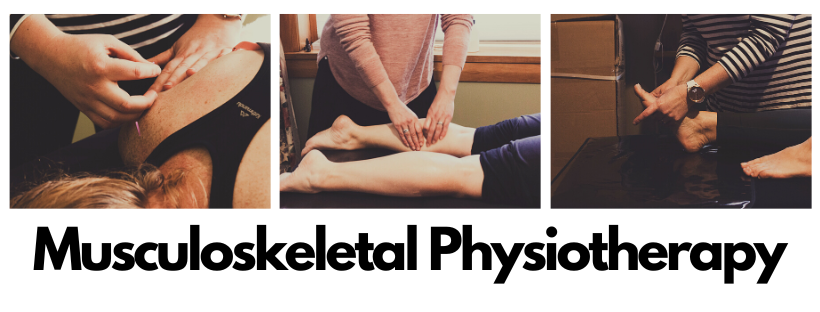
One of our main areas of practice within Physiotherapy, is Musculoskeletal physiotherapy. This is a field of physiotherapy that deals with the diagnosis, treatment, and management of musculoskeletal conditions. These conditions affect the muscles, bones, joints, tendons, and ligaments of the body, and can lead to pain, discomfort, and reduced mobility.

The goal of musculoskeletal physiotherapy is to help individuals regain their full range of motion and improve their overall physical function. This can be achieved through a variety of techniques and interventions, including exercise therapy, manual therapy, and patient education.

Exercise therapy is a cornerstone of musculoskeletal physiotherapy. It involves the use of specific exercises and movements to help improve strength, flexibility, and endurance in affected areas of the body. Exercise therapy can also help to reduce pain, prevent further injury, and improve overall physical function. A physiotherapist will typically design an individualized exercise program based on the specific needs and abilities of the patient.

Manual therapy is another important aspect of musculoskeletal physiotherapy. This type of therapy involves hands-on techniques, such as massage, joint mobilization, and manipulation, to help improve joint mobility, reduce pain, and restore normal movement patterns. Manual therapy is often used in conjunction with exercise therapy to maximize the benefits of both approaches.

Continue Reading

Online Pilates

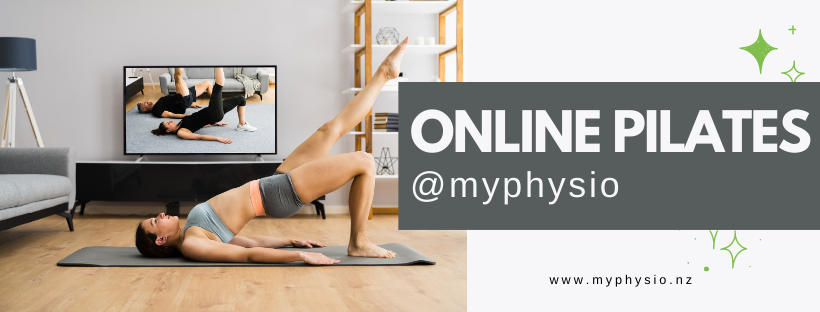
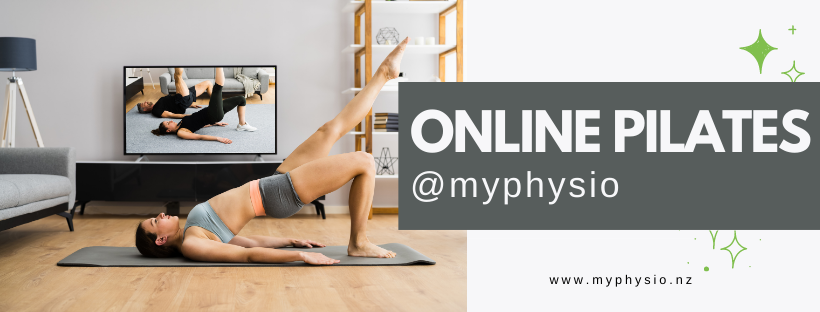
Hey there! Have you heard about our online Pilates classes? 

Pilates has become increasingly popular in recent years. It's a really great way to get fit, improve your flexibility, and strengthen your core muscles, all from the comfort of your own home! There are so many benefits to practicing Pilates online, and I'm here to tell you all about them and provide some tips for getting started.

First of all, practicing Pilates online is super convenient! You can do it anytime, anywhere, without having to leave your house. Whether you're a busy parent, a student, or someone with a packed schedule, Pilates online is a great way to fit exercise into your day.

Another awesome thing about Pilates online is the variety. There are so many different classes and instructors to choose from. Whether you prefer mat-based Pilates or equipment-based Pilates, or if you're a beginner or an experienced practitioner, there's a class out there for you! Plus, it's often more affordable than in-person classes, so you can save some cash while getting fit. At myphysio we offer a range of instructors, a range of length and types of classes, for just $40 per term this makes great value. AND
 if you do one of our in-person classes, you will have access to the online classes also!

Continue Reading

The What, The Why & The How Reformer

There is no Pilates equipment more famous than the reformer — for good reasons. 

The reformer makes a dramatic impression when you first see it, and an even more dramatic change on your body when you use it.

What Is a Pilates Reformer?

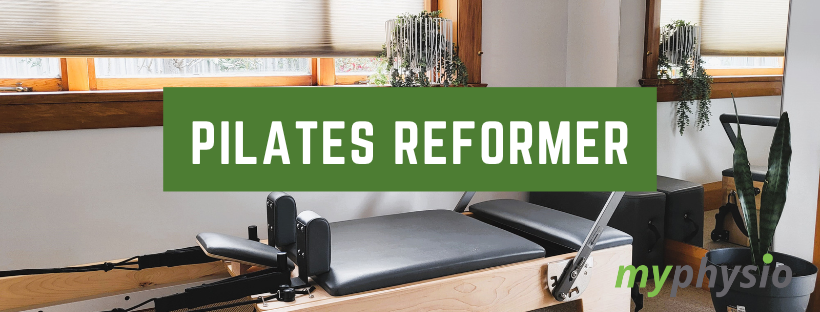
The reformer was invented by Pilates founder Joseph Pilates. It is a bed-like frame with a flat platform on it, called the carriage, which rolls back and forth on wheels within the frame. The carriage is attached to one end of the reformer by a set of springs.

Springs provide choices of differing levels of resistance as the carriage is pushed or pulled along the frame.

The carriage has shoulder blocks on it that keep users from sliding off the end of the reformer as they push or pull the carriage.

A the spring end of the reformer, there is an adjustable bar called a footbar. The footbar can be used by the feet or hands as a user moves the carriage. The reformer also has long straps with handles on them that are attached to the top end of the frame.

They can be pulled with legs or arms to move the carriage as well. Body weight and resistance of the springs are what make the carriage more or less difficult to move.

How a Reformer Is Used?

Continue Reading

Sciatica

Sciatica is something we hear a lot from clients when they are coming to see us. But what exactly is it?

It really is just an umbrella term commonly used to describe “pain down the leg”, but it really doesn't tell us what's causing it and whats causing it, really determines what treatment we might give, including exercises, which will be different for different causes

The pain from sciatica can be from your lower back down to your feet. It is a condition where the sciatic nerve becomes inflamed, causing pain, numbness, and/or tingling in the lower extremities. These symptoms are experienced when there is pressure on the sciatic nerve which can be as a result of a herniated or prolapsed disc in the lumbar spine, or even from degeneration in the spine which can cause narrowing of the gaps where the nerves exit the spine. 

What is sciatica?

It is a common condition that affects a large number of people. There are a number of causes of sciatica, including injury, age-related changes, infection, and poor posture.

Sciatica is often caused by compression of the sciatic nerve. It is a condition that causes pain, numbness, and weakness in the lower leg and foot. It can be caused by a herniated or prolapsed disc in the lumbar or sacral spine. It can also be caused by degeneration of the spine which can cause narrowing of the gaps where the nerves exit the spine. 

What is the treatment for sciatica?

Continue Reading

Pilates Classes

Want to take charge of your life, how about a pilates class to help with your wellbeing.

Pilates classes are a great way to improve your physical health and mental wellbeing. Many people find that regular pilates classes help them stay in shape, relieve stress and anxiety, and improve their sleeping habits. If you're interested in taking a pilates class but don't have time to get to one of our classes, online pilates classes can be just as effective.

We have a variety of online class options available: these are all prerecorded videos which are loaded weekly onto our private facebook page or onto our webpage that you can access with a gmail address. There is a large library of past videos from our Pilates instructors.

If you're new to exercise or want someone who will guide you through each movement without leaving anything out, choosing an face-to-face instructor-led class might be best for you, or have a one-on-one with our Pilates trained Physiotherapists — but if budget is an issue or if convenience is more important than learning at home instead then an online class may suit your needs better.

We are here for your wellbeing.

See here for more details https://myphysio.nz/pilates

Achilles Rupture

Did you know that the Achilles tendon is the strongest in our body? 

The Achilles tendon is what connects our calf muscles to our foot bone. Recent research suggests that 18 patients per 100,000 rupture their Achilles, with the highest prevalence being patients in their 30s-40s. The causes of these ruptures include sudden force to the foot, trauma and longstanding tendinopathy. 

In most cases, an achilles rupture will produce an acute episode of pain and disability, patients will often report feeling as though someone has kicked or even shot them in the back of the leg. These patients are often transported to hospital for treatment. However, in some cases patients have less severe symptoms and can present to physiotherapy with ankle or calf pain. Physiotherapists take an in depth history from the patient and if the achilles tendon is thought to be a potential source of symptoms they will use a specific test to determine if the achilles is potentially ruptured or load the tendon to test its integrity based on the patient's presentation. If a rupture of this tendon is suspected, an urgent ultrasound will be organised or they will be referred to the hospital Emergency Department.

After an achilles tendon rupture is confirmed, patients are usually managed non-operatively under an orthopaedic surgeon. They will have their foot immobilised in a non-weight bearing cast with their toes maximally pointed, in what we call plantarflexion, for a period of about 6 weeks. This foot position is to place the achilles tendon in the most shortened position for healing. 

Continue Reading

Achilles Tendinopathy

Tendon problems are common in runners and can become a persistent issue if not properly treated. If you have achilles pain it is important you see a physiotherapist to get a proper and correct diagnosis as these injuries have different stages, different treatments and long term consequences if you take the wrong route. As with most injuries, as earlier diagnosis and treatment often means a speedier recovery. 

Tendinopathy is the term we now use to describe that there is a condition or disease that is affecting the structure and function of the tendon. 

There are 3 stages of Achilles Tendinopathy and an early diagnosis forms the pathway for the treatment and management of the injury:

Reactive tendinopathy typically involves the tendon responding to a rapid increase in loading (sometimes termed “tendinitis”). For runners this often means a large increase in mileage, a reduction of rest days or a change in training type (e.g. Introducing hill or speed work). It can also be from direct trauma to a tendon. A key feature of a reactive tendon is that structurally it remains intact and there is minimal change in collagen integrity. This means this is usually a reversible process. “A short term adaptation to overload that thickens the tendon, reduces stress and increases stiffness” Cook and Purdam (2009)

Continue Reading